


Eyelash Adhesive Allergies: Symptoms, Differences from Eye Diseases, and the Benefits of LED Lashes

Eyelash extensions have become a popular beauty trend, offering a dramatic and effortless look. Yet, many women experience discomfort or irritation after getting lash extensions, often due to allergies related to the adhesive used.
Understanding lash allergies and how they differ from common eye diseases is crucial for anyone considering or already using eyelash extensions. In this post, I’ll share insights about the components of eyelash adhesives, the types of allergic reactions that can occur, how to distinguish these from eye infections like conjunctivitis or a chalazion (stye), and why LED lashes extensions offer a safer alternative.

Components of Eyelash Adhesives and Their Role in Allergies
Eyelash adhesives are specially formulated glues designed to bond synthetic lashes to natural lashes. The main components often include:
Cyanoacrylate: The primary bonding agent, known for its quick drying and strong hold.
Latex or rubber derivatives: Sometimes added to improve flexibility.
Formaldehyde or formaldehyde releasers: Used in some adhesives as preservatives.
Other chemicals: Such as solvents and stabilizers.
Among these, cyanoacrylate is the most common cause of allergic reactions. It can release fumes that irritate the eyes and skin, especially in sensitive individuals. Formaldehyde releasers are also notorious allergens, though many modern adhesives avoid them due to their high risk.
Allergic reactions to eyelash adhesives can range from mild irritation to severe inflammation. Symptoms often appear within hours or days after application and may include redness, swelling, itching, and watery eyes.
Types of Allergic Reactions to Eyelash Adhesives
Understanding the types of allergic reactions helps in identifying and managing lash allergies:
Contact Dermatitis: This is the most common reaction. It causes redness, itching, and swelling around the eyelids. The skin may become dry or flaky.
Allergic Conjunctivitis: The conjunctiva (the membrane covering the white of the eye) becomes inflamed, leading to redness, itching, and watery eyes.
Irritant Contact Dermatitis: Caused by direct irritation from fumes rather than an immune response. Symptoms are similar but usually less severe.
If you notice persistent discomfort after lash application, it’s important to consult a professional or healthcare provider. Avoiding the allergen is the best course of action.

Differences Between Lash Allergies and Eye Diseases
Many symptoms of lash allergies overlap with common eye diseases, which can make self-diagnosis tricky. Here’s how to tell them apart:
Lash Allergies
Redness around the eyelids and lash line
Intense itching, especially on the eyelids
Common eyelid swelling
Watery discharge or none
Mild discomfort
Symptoms appear shortly after adhesive application
Conjunctivitis (Pink Eye)
Redness of the white of the eye
Mild to moderate itching
Mild eyelid swelling
Watery, mucous, or pus discharge
Mild to moderate pain
Can be viral, bacterial, or allergic in origin
Conjunctivitis is an infection or inflammation of the conjunctiva and often requires medical treatment. It can be viral, bacterial, or allergic in origin. A chalazion is a blocked oil gland on the eyelid that forms a lump and may need warm compresses or medical intervention.
Chalazion (Stye)
Localized swelling on the eyelid
Typically no itching
Firm lump on the eyelid
Usually no discharge
Tender lump, sometimes painful
Develops over several days to weeks
If you experience symptoms like pus discharge, severe pain, or vision changes, seek medical advice immediately.
Why LED Lashes Extensions Are Better for Sensitive Eyes
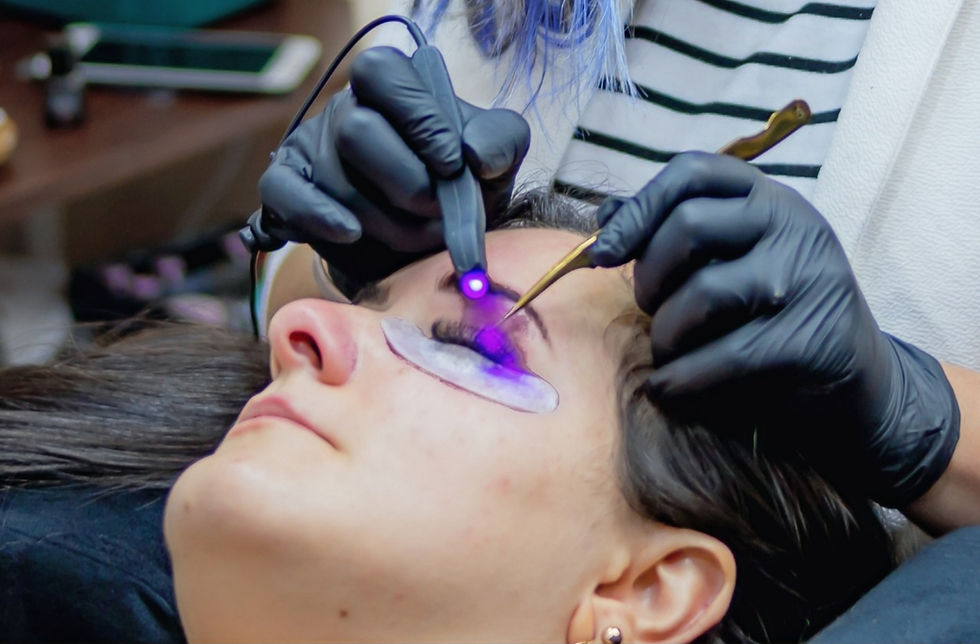
LED lashes extensions have gained attention for their innovative approach to eyelash application. Unlike traditional adhesives, LED lashes use a bonding method that minimizes exposure to harsh chemicals. Here’s why they are better for those prone to lash allergies:
Reduced Chemical Exposure: LED lashes use a special bonding gel cured by LED light, which contains fewer irritants than cyanoacrylate-based adhesives.
Faster Curing Time: The LED curing process solidifies the bond quickly, reducing the time eyes are exposed to fumes.
Hypoallergenic Formulas: Many LED lash products are formulated to be hypoallergenic, lowering the risk of allergic reactions.
Less Irritation: Users report less redness, itching, and swelling compared to traditional lash adhesives.
For women with sensitive eyes or a history of lash allergies, LED lashes extensions offer a safer and more comfortable alternative without compromising on beauty.
Practical Tips to Avoid Lash Allergies
If you love eyelash extensions but want to avoid allergic reactions, consider these tips:
Patch Test: Always ask for a patch test before full application to check for sensitivity.
Choose Hypoallergenic Adhesives: Look for adhesives labeled as formaldehyde-free and hypoallergenic.
Opt for LED Lashes Extensions: If you have sensitive eyes, LED lashes can reduce the risk of irritation.
Maintain Lash Hygiene: Clean lashes gently to avoid buildup of irritants.
Avoid Waterproof Makeup: It can be harder to remove and may cause irritation around the eyes.
Consult Professionals: Always have extensions applied by certified technicians who understand allergy risks.
Lash Allergies and Eye Health
Lash allergies can be uncomfortable and sometimes mistaken for eye infections. Knowing the components of adhesives and recognizing symptoms helps you protect your eye health.
LED lashes extensions represent a promising option for women seeking beauty without the common risks of traditional adhesives.
If you experience persistent irritation, consult an eye care professional to rule out infections or other conditions.
Your eyes deserve the best care, so choose lash products and methods that support both your beauty and health.